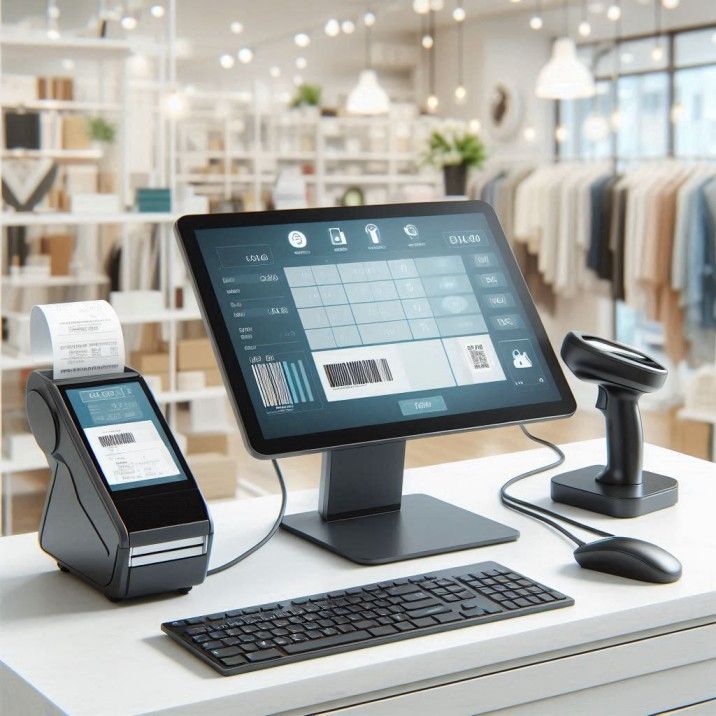
Many Nigerian retail and hospitality businesses start with pen, paper, and a calculator — which works fine until it does not. Here are the clear signs you have outgrown manual sales tracking.
1. You Cannot Answer “What Sold Well This Month” Without Digging
If knowing your best-selling products requires flipping through receipt books or exercise books, you are making decisions on guesswork rather than real data — a POS system surfaces this instantly.
2. Stock Discrepancies Keep Happening
If your physical stock count regularly does not match what you expect based on sales, manual tracking is likely the cause — human error in recording, or simply not tracking inventory in real time, adds up over weeks and months.
3. Closing the Books Takes Hours
If end-of-day or end-of-month reconciliation is a multi-hour manual process of adding up receipts and cross-checking figures, that time is a real cost — and prone to errors that compound over time.
4. You Cannot Track Performance Across Multiple Staff or Shifts
Without a system that logs who processed which sale, identifying performance issues or discrepancies tied to specific staff or shifts is nearly impossible.
5. You Have No Real Customer Data
Manual systems rarely capture repeat customer information — without this, you cannot identify your best customers, run loyalty programs, or understand buying patterns that could inform promotions.
6. You Are Guessing at Reorder Timing
Without real-time inventory visibility, reordering stock becomes reactive — either running out of popular items or overstocking slow-moving ones, both of which cost money.
7. You Are Considering a Second Location
Expanding to multiple locations with manual tracking multiplies the reconciliation burden and makes it nearly impossible to get a consolidated view of overall business performance.
The Real Cost of Waiting
Every month spent on manual tracking is a month of decisions made without real data — the cost of a POS system is generally far smaller than the cost of the inventory losses, wasted staff time, and missed insights that manual tracking accumulates.
Frequently Asked Questions
Is a POS system only worth it for large stores?
No, small businesses often see the biggest relative benefit since manual tracking errors have a proportionally larger impact on a smaller operation.
How disruptive is switching from manual to a POS system?
With proper setup and staff training, the transition is generally straightforward and can be completed within days for a single location.
Can a POS system integrate with my existing payment terminal?
In many cases, yes — this depends on the specific systems involved and is assessed during setup.
What is the first sign a business should look into a POS system?
Consistent stock discrepancies or spending excessive time on manual reconciliation are usually the clearest, earliest signals.
Stop losing money to manual tracking errors.
Lifehampers Global Consults sets up POS systems for businesses across Ibadan — get a free quote or see our POS System Integration service.